## How Glass Mugs Work: An Inside Look at Production and Technology
Glass mugs have become a popular choice for both personal and commercial use due to their aesthetic appeal and durability. Understanding how glass mugs are produced involves delving into their key components, production processes, and the advanced technology that underpins modern manufacturing.
The process of creating glass mugs begins with raw materials, primarily silica sand, soda ash, and limestone. These materials are combined in precise ratios and melted at extremely high temperatures (around 1,700 degrees Celsius) to form molten glass. The molten glass is then shaped into mugs using various techniques, primarily machine molding or hand-blowing, depending on the desired design and production scale.
Key components of the glass mug include the body, handle, and surface finish. The body of the mug can be crafted to various thicknesses to enhance both aesthetics and insulation. The handle is typically designed for comfort and is attached while the glass is still hot, allowing for seamless integration. The surface finish can vary from clear glass to colored or etched designs, enabling customization for personal or corporate branding.
The application of advanced technology significantly enhances the production of glass mugs. Automated machinery and robotics are increasingly employed to streamline operations. For instance, automated glass-forming machines can produce multiple mugs simultaneously, while ensuring uniformity in shape and size. This efficiency reduces the time taken to produce each mug and also minimizes waste due to improved precision.
Moreover, technology plays a crucial role in quality control. Advanced sensors and cameras are implemented to monitor the production process continuously, identifying any defects in real-time. For example, if a mug shows signs of uneven thickness, the system can automatically reject it for further inspection before it reaches the packaging stage. This level of oversight is vital in maintaining the high standards expected by consumers and businesses alike.
By implementing these technological advancements, manufacturers can meet the high demands of the market without compromising on quality. The rise of e-commerce and custom orders has also prompted suppliers to adopt flexible manufacturing systems, allowing for quick production runs and customization.
In conclusion, the production of glass mugs involves a complex interplay of raw materials, meticulous shaping, and advanced technology that ensures consistent quality and efficiency. For businesses looking to source high-quality glass mugs, understanding these processes can aid in making informed decisions. Should you have inquiries or seek reliable suppliers, please feel free to contact us for further assistance.




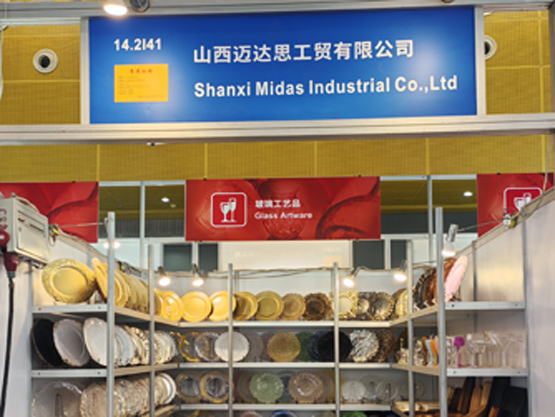
 Custom Printed Tableware Supplier